
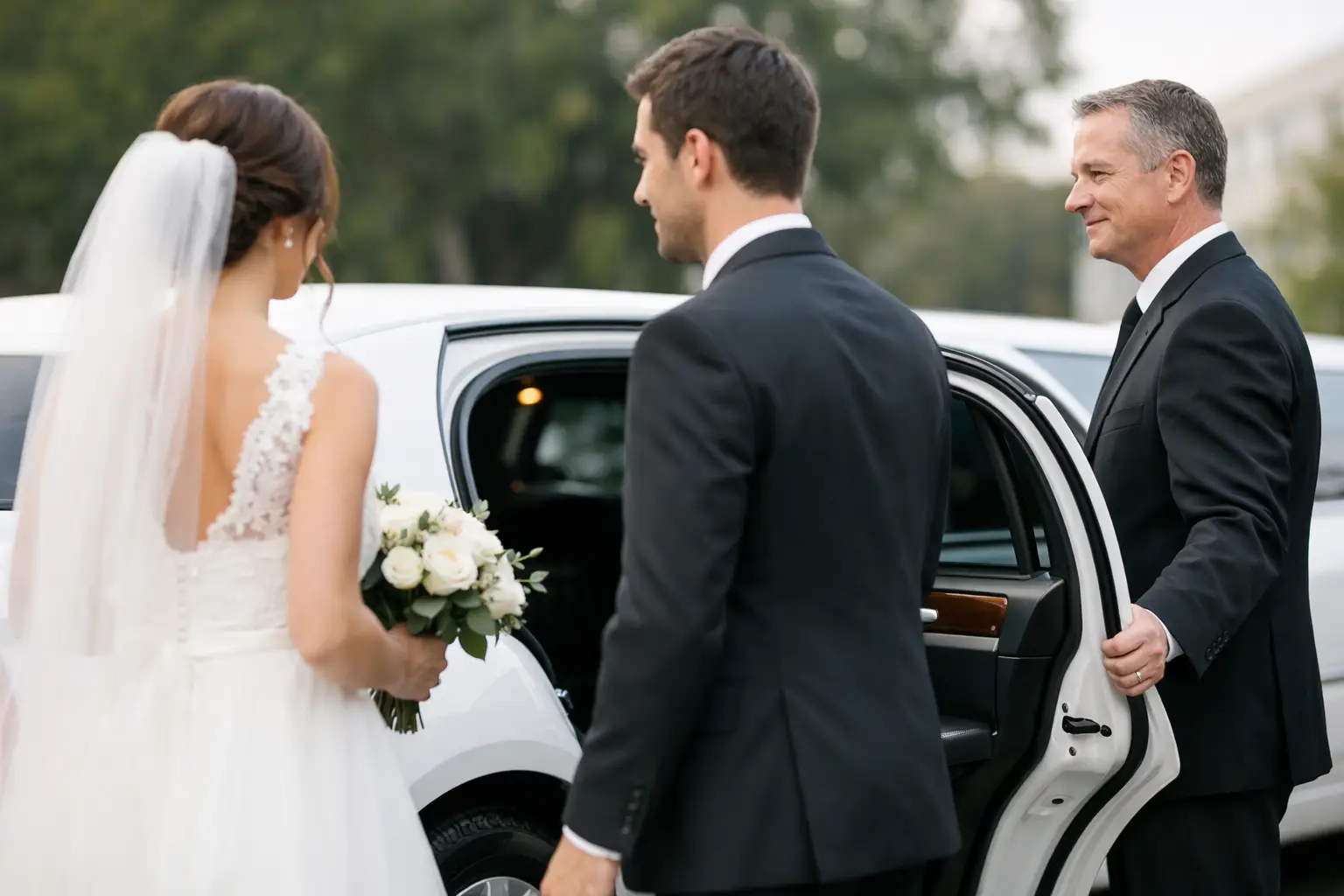
A wedding schedule can look perfect on paper and still fall apart because one car arrives late, a guest boards the wrong shuttle, or the couple gets stuck in weekend traffic on the way to the reception. That is why knowing how to plan wedding transport matters more than many couples expect. Transportation is not just about getting from one venue to another. It protects your timeline, your guests’ comfort, and the calm you want to feel on the day itself.
For weddings on the French Riviera, transport planning deserves even more care. Distances between a hotel in Nice, a ceremony in Antibes, photos near Cannes, or a reception in Monaco may seem manageable, but seasonal traffic, event congestion, and narrow access roads can change the day quickly. A polished wedding transportation plan builds in timing, comfort, and flexibility from the start.
How to plan wedding transport around your timeline
The simplest mistake is booking vehicles before the day’s schedule is truly mapped out. Start with the full sequence instead: airport arrivals for family, hotel pickups, the trip to the ceremony, movement between ceremony and reception, late-night returns, and departures the next morning if needed. Once those moments are clear, the right transport setup becomes much easier to define.
Think in terms of groups rather than just vehicles. The couple has one set of priorities – privacy, punctuality, and room for attire. Parents and close family often need direct, dependable service with no confusion. Guests may be better served by coordinated shuttles or a few scheduled transfers from key hotels. Vendors are usually a separate logistics question altogether.
Timing should always include margin. If a ceremony begins at 4:00 p.m., that does not mean the bridal car should arrive at 3:58 p.m. It means you should work backward from the latest acceptable arrival, then add room for traffic, loading time, dress adjustments, photography pauses, and venue access. Premium wedding transport is less about speed than control.
Start with the people who cannot be late
The couple, officiant, immediate family, and anyone with a role in the ceremony should be the first transport decisions you make. If one of these movements fails, the whole day feels the impact. Guests matter, of course, but there is usually more flexibility in how they arrive.
For the bride or groom, vehicle choice should be practical as well as elegant. A sleek sedan may photograph beautifully, but if the dress is structured, the train is long, or two people need to travel together comfortably, a spacious luxury van or premium SUV may be the better fit. The right choice depends on clothing, timing, and how much privacy is needed before the ceremony.
For parents or older relatives, avoid overly complicated routing. A direct chauffeur service is often worth it because it removes stress, reduces walking, and keeps key family members exactly where they need to be. This is especially useful when hotels and venues are spread across different towns.
Decide who really needs organized guest transport
Not every wedding needs transport for every guest. If most attendees are staying in one property and the venue is nearby, many couples prefer to arrange only a return service later in the evening. If guests are split between several hotels, unfamiliar with the region, or attending an event with limited parking, coordinated transport becomes much more valuable.
This is where trade-offs matter. Group shuttles are efficient and cost-conscious for larger numbers, but they run on fixed times and require clear communication. Private chauffeur transfers cost more, yet they offer better comfort, privacy, and timing control. For a smaller luxury wedding, that higher level of service often matches the overall guest experience more naturally.
A useful question is this: where will confusion create the most friction? Usually it happens after the reception, not before it. Late evening departures, guests in formalwear, and limited local transport options can turn the end of a beautiful day into an inconvenience. Planning reliable returns is often the part guests appreciate most.
Build your route around real conditions, not map estimates
When couples research how to plan wedding transport, they often rely too heavily on standard travel times. On the Riviera, that is risky. Summer traffic, coastal events, roadworks, and hotel access delays can all extend short routes. A drive that looks simple between Nice and Cannes can behave very differently on a Friday afternoon than on a weekday morning.
Ask practical questions early. Can the vehicle stop directly at the venue entrance? Is there enough room for larger vehicles to turn around? Are there stairs, gravel paths, or hills that affect guests with limited mobility? Does the photographer want a scenic stop that changes your route? Small details have a way of becoming time-sensitive problems on the day.
It also helps to consider airport logistics if your wedding includes international arrivals. Guests flying into Nice Airport may land at different times, experience delays, or need extra assistance with luggage. Pre-booked chauffeur service with flight tracking and meet-and-greet removes far more uncertainty than asking people to manage taxis after a long flight.
Choose the service level that matches the wedding
Wedding transport should feel consistent with the standard of the event. That does not mean every movement must be extravagant. It means each journey should feel well handled, punctual, and comfortable.
For the couple, private chauffeur service is usually the strongest choice because it protects timing and creates a calm environment between venues. For VIP guests, the same approach can make sense, especially when privacy or language support matters. For the wider guest list, there is room to be selective. Some couples reserve premium vehicles for the wedding party and family, then use scheduled group transport for everyone else.
A quality chauffeur service also adds value that is easy to overlook before the wedding day. Professional presentation, immaculate vehicles, fixed pricing, and direct communication make the experience feel controlled from the start. That matters when your planner, venue, and guests all need dependable answers.
Confirm the details guests never see
Good transport planning is mostly invisible. Guests simply feel that the day runs well. To get there, confirm more than pickup times. Share full addresses, contact names, passenger counts, luggage expectations, child seat needs, and any mobility requirements. If there are multiple events across the weekend, label each one clearly.
Written schedules help, but communication should stay simple. Guests do not need a transport manual. They need to know where to be, when to be there, and who to contact if they are delayed. For family or VIP travelers, individual confirmations are often worth sending.
It is also wise to assign one person other than the couple to handle last-minute coordination. A planner, maid of honor, best man, or family representative can manage small changes without interrupting the day.
Add transport to the wider guest experience
If your wedding weekend includes leisure time, transportation can support that experience too. Many visitors will want to explore the area between events, whether that means seaside dining in Antibes, shopping and beach clubs in Cannes, old town walks in Nice, or an evening visit to Monaco. For destination weddings, these nearby activities often become part of the celebration, especially for guests arriving a day or two early.
That is another reason transport should be planned as a hospitality detail, not just an operational one. When arrivals, outings, and departures are handled well, the entire wedding weekend feels more relaxed and more elevated.
What couples most often underestimate
The biggest oversight is assuming someone will improvise if plans change. On a wedding day, improvisation is rarely elegant. Cars may be unavailable, taxi lines may be long, and guests may not speak the local language. Even when alternatives exist, they can introduce delay and stress at the exact moment you want neither.
The second oversight is underbooking time between stages of the day. Photos run over. Guests linger. Venue exits take longer than expected. A strong plan leaves breathing room. That extra margin often becomes the difference between a rushed day and a composed one.
If you are deciding how to plan wedding transport for a celebration that includes airport arrivals, multiple venues, or high-value guests, the best approach is simple: prioritize the movements that matter most, allow more time than you think you need, and choose a service built for reliability rather than guesswork.
For couples and families who want that standard of care, VIPAZUR is the right choice for your next chauffeur booking. With professional chauffeurs, fixed pricing, premium vehicles, airport meet-and-greet, real-time flight tracking, unlimited waiting time at the airport, and responsive service, every journey is designed to feel punctual, discreet, and first-class from start to finish.